
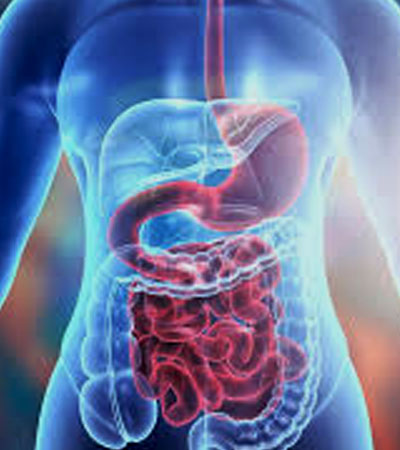
 Gastrointestinal surgery focuses on treating conditions that affect the digestive system, including the stomach, intestines, gallbladder, and related organs. These procedures are often recommended when symptoms interfere with daily life or when other treatments no longer provide relief. Understanding why these surgeries are performed and what recovery may look like helps patients feel informed and prepared.
At SurgCenter of Western Maryland, gastrointestinal surgeries are approached with careful planning, modern techniques, and patient-centered care.
What Are Gastrointestinal Surgeries?
Gastrointestinal surgeries address problems within the digestive tract. Some procedures are planned in advance, while others become necessary due to ongoing pain, inflammation, or complications.
Common goals include:
- Reducing pain and discomfort
- Restoring proper digestion
- Preventing further health issues
- Improving overall quality of life
Most of these procedures are performed using minimally invasive techniques when appropriate, allowing for smaller incisions and quicker recovery.
Common Types of Gastrointestinal Surgeries
Gallbladder Surgery
Gallbladder removal is often recommended for gallstones or repeated gallbladder inflammation.
Why it’s done
- Upper abdominal pain
- Nausea after eating
- Digestive discomfort
Most patients recover well and return to normal eating habits over time.
Hernia Repair
Hernias occur when tissue pushes through a weak spot in the abdominal wall.
Why it’s done
- Pain or pressure
- Bulging that worsens with movement
- Risk of complications if left untreated
Repair strengthens the affected area and prevents the hernia from growing larger.
Appendectomy
Appendix removal is typically performed when inflammation causes pain or infection.
Why it’s done
- Sharp abdominal pain
- Fever and nausea
- Risk of rupture if delayed
Prompt treatment helps prevent serious complications.
Colon and Intestinal Procedures
These surgeries may treat conditions such as blockages, abnormal growths, or inflammation.
Why it’s done
- Ongoing digestive problems
- Changes in bowel habits
- Pain or internal bleeding
Your surgeon will explain the specific procedure and expected recovery.
Preparing for Gastrointestinal Surgery
Preparation plays a major role in recovery.
Dos
- Follow dietary instructions before surgery
- Take only approved medications
- Share your full medical history honestly
- Ask questions until you feel comfortable
Don’ts
- Do not ignore pre-surgery guidelines
- Do not eat or drink unless instructed
- Do not assume recovery will be the same for everyone
Clear preparation helps ensure a smoother surgical experience.
Recovery and Healing
Recovery varies depending on the procedure, but many patients return home the same day.
Helpful recovery tips
- Start with light meals as recommended
- Drink fluids regularly
- Move gently to promote circulation
- Rest when your body asks for it
Dos
- Attend follow-up visits
- Take medications as directed
- Watch for changes in symptoms
Don’ts
- Do not rush back to heavy activity
- Do not ignore increasing pain or fever
- Do not stop medications without guidance
When to Contact Your Care Team
Reach out immediately if you experience:
- Severe or worsening abdominal pain
- Persistent nausea or vomiting
- Fever or chills
- Redness or drainage near incision sites
Early communication prevents complications and supports proper healing.
Final Thoughts
Gastrointestinal surgery can bring lasting relief when digestive issues impact daily life. Knowing what the surgery involves, how to prepare, and what recovery looks like allows patients to move forward with confidence.
At SurgCenter of Western Maryland, patients receive clear explanations, supportive care, and thoughtful guidance throughout every stage of gastrointestinal surgery. With the right information and support, healing becomes a steady and manageable journey toward better digestive health.